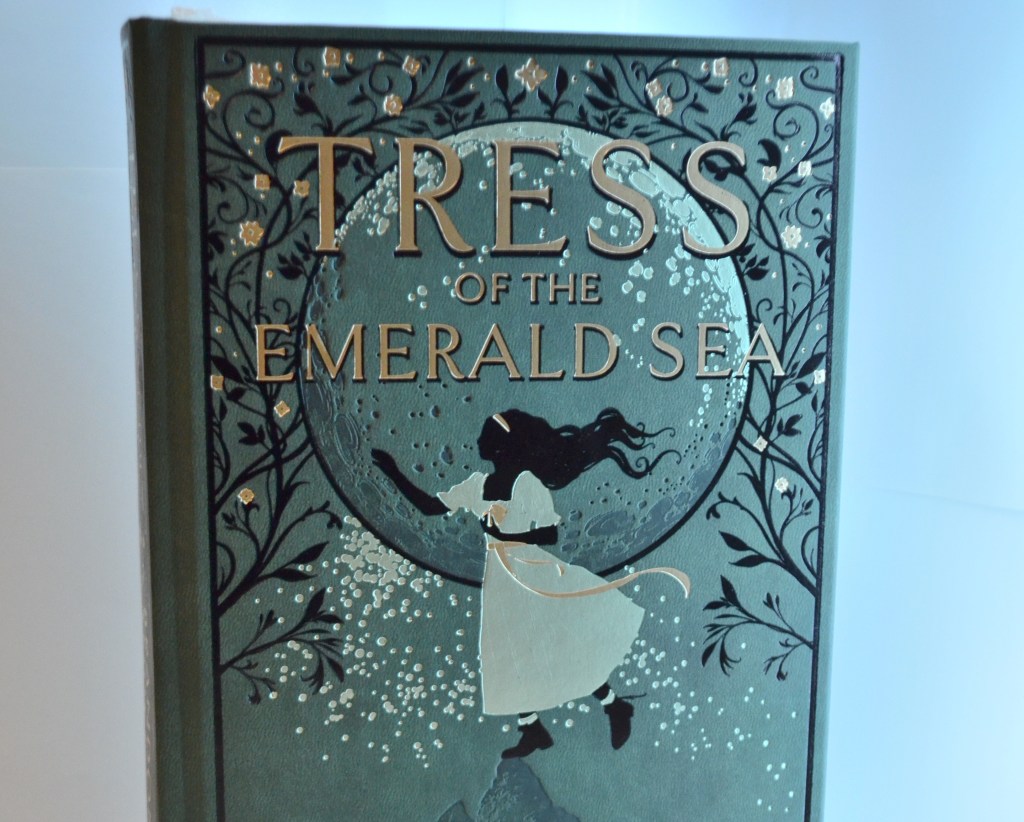
Tress of the Emerald Sea was the first book I received as part of a year of Sanderson. It arrived several months late because of issues with the printers, which was unfortunate but not the end of the world. I did appreciate Sanderson’s team sending several emails explaining the delays and updating buyers on how many books had shipped, so I could see the progress being made. I was disappointed but not upset at the delays, since 1) I had no information about the book so didn’t know what I was missing and 2) I had kind of forgotten about the books I ordered by the time delivery rolled around.
When I got Tress, I promptly forgot about the delay. It was well worth the wait.
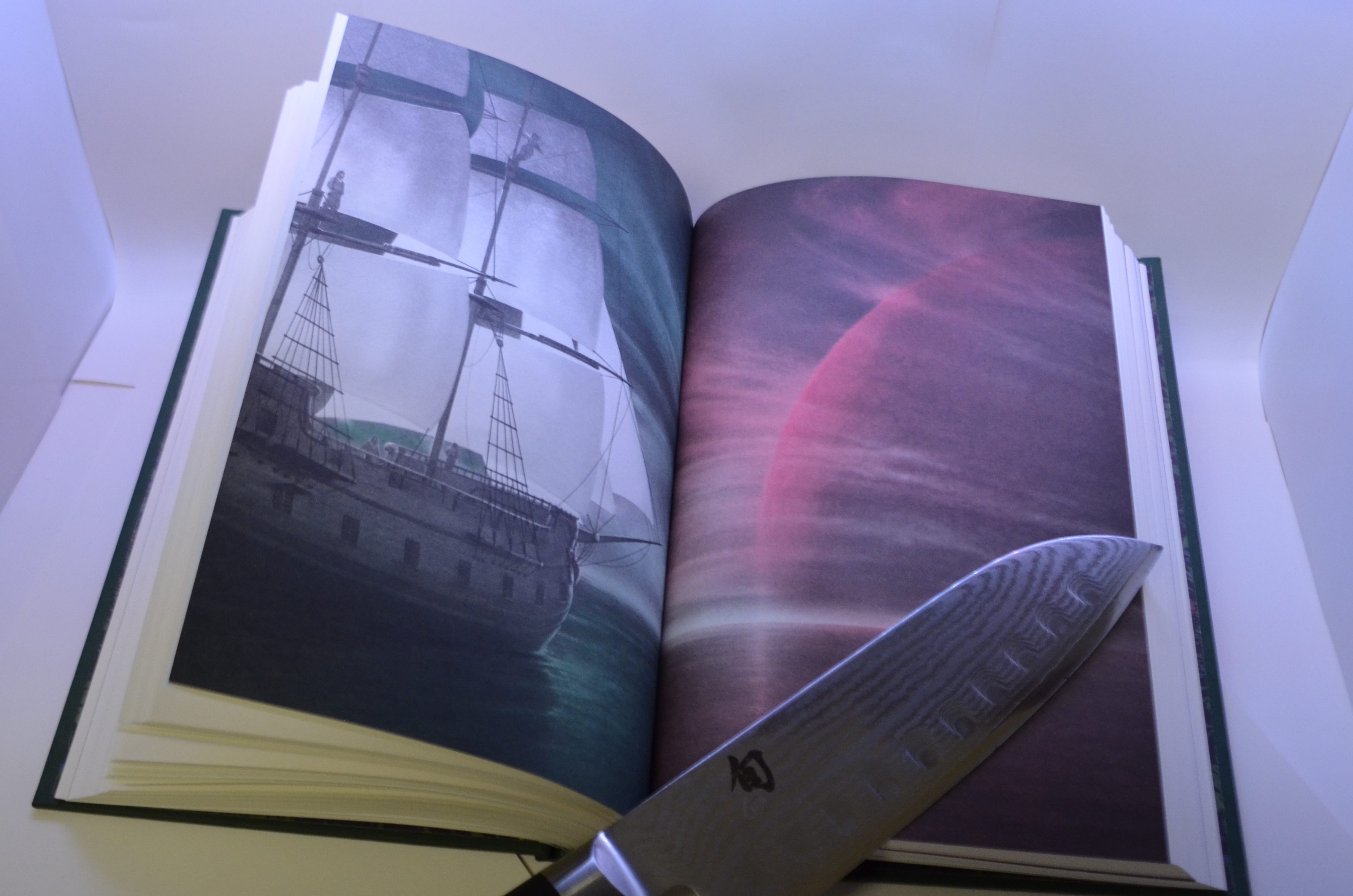
I adore this book. It has surpassed Mistborn as my favorite Sanderson book of all time. (No, I have not made it to The Stormlight Archives yet. I have this thing about starting chonky fantasy series that haven’t been finished yet. I’ll give you two guesses as to why). In terms of standalone fiction, this is among my favorite books of all time, on account of its cheery, endearing heart and stalwart main character, Tress.
Tress of the Emerald Sea follows a young girl who lives on an island. When the boy she likes goes missing, she sets out to find him and various adventures ensue. This plot is not what makes the book interesting. To get into that, we’ll need to discuss another classic work, The Princess Bride.
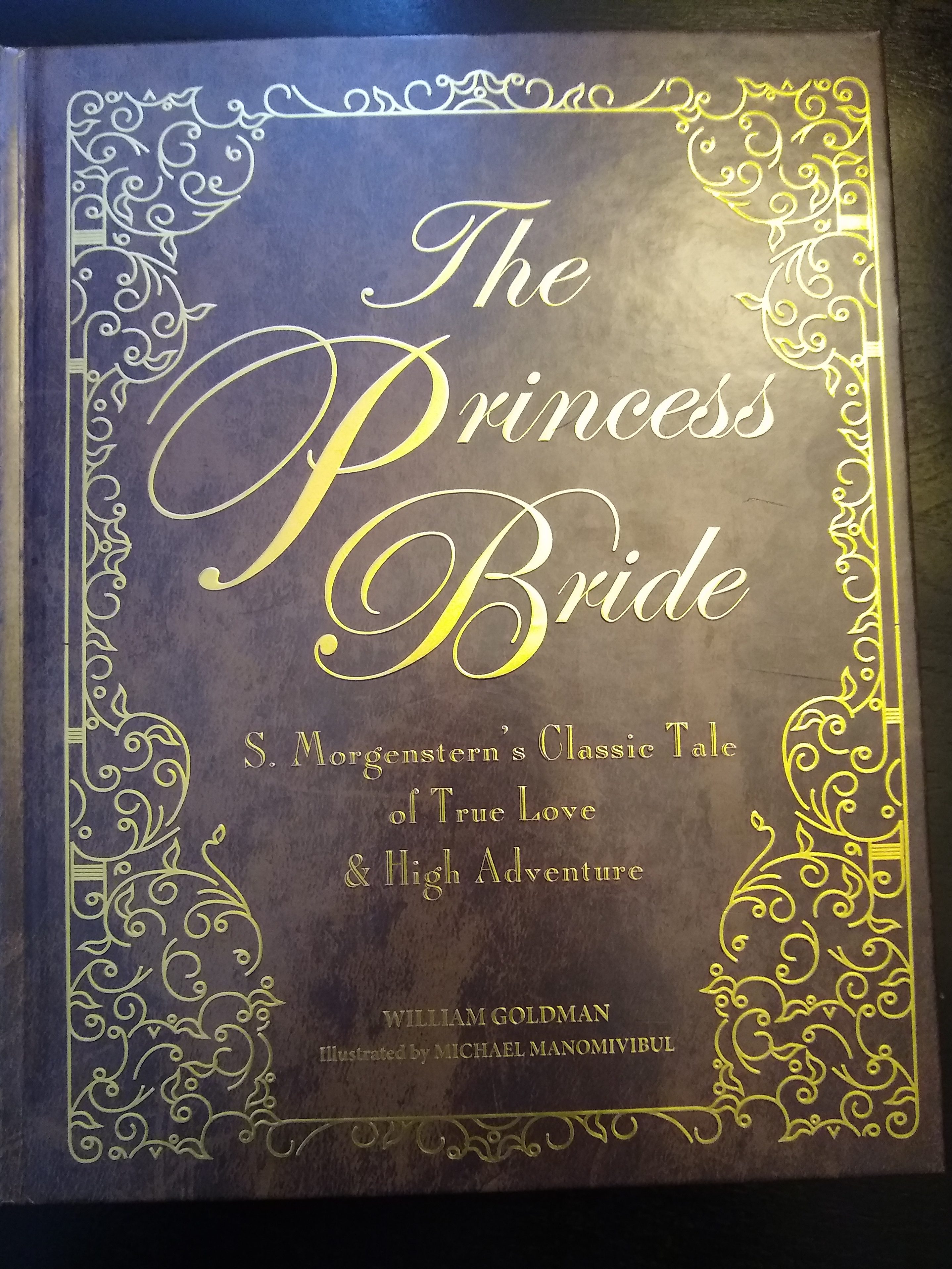
My introduction to The Princess Bride was, of course, the beloved movie (which my dad, along with many others, can quote line-for-line). Since childhood, it has reigned supreme in my mind as the top of its genre of funny, heartwarming fantasy. I have seen many a movie that captures the heartwarming. Some which try (and usually fail) to capture the funny. The closest thing to The Princess Bride I’ve found recently is the movie Puss in Boots: The Last Wish. I highly recommend a watch if you haven’t seen it.
The Princess Bride stands above so many others in my mind for one reason that’s hard to quantify: how well everything fits. The framing device with the grandfather (narrator) and grandson constantly interrupting the story doesn’t feel obnoxious or out of place. The cheesy voice-overs/romantic dialogue work wonders. (In a lesser movie, the phrase “as you wish” could become eye-rollingly cringy, here it’s utterly quotable). The silly sets fit. The outrageous adventures (screaming eels, fire swamps, secret dungeons) shine. The story sets its tone so well in the beginning, you buy every unbelievable thing that happens after. I love it, and I’m far from being alone in that regard. Heck, a bunch of actors recreated the whole movie in their backyards during the pandemic because why not? (The book is also an excellent read and I highly recommend it if you enjoy the movie).
So, why does all that matter to Tress of the Emerald Sea? Because I love it for the exact same reasons I love The Princess Bride. Sanderson has stated outright that Tress was partially inspired by The Princess Bride. The one problem he has with the movie is that the title character, Buttercup, who is about to marry a prince and become a princess, doesn’t do a whole lot in her own movie. For Tress, he swapped the roles. The boy gets kidnapped, the girl has to go get him. Simple enough. But again, I found my enjoyment not in the plot but in the tone and how well the rest of the story fit it. Tress is simply a good time. (I also love the fact that it doesn’t feel the need to become darker or spicier in pursuit of an “adult” audience but that’s something I enjoy about Sanderson novels in general).
Don’t get me wrong, this story isn’t perfect. Most of my personal gripes revolve around the narrator, who is perfectly balanced in tone throughout most of the story, and then at the climax becomes weirdly obnoxious and self-inserty, before submerging back down to balanced levels. These moments pulled me out of the story but didn’t ruin my overall enjoyment about the tale being told. (Unfortunately, this isn’t the case everywhere, as this narrator rolls up in another one of the Year of Sanderson books and becomes infinitely more annoying there in my opinion).
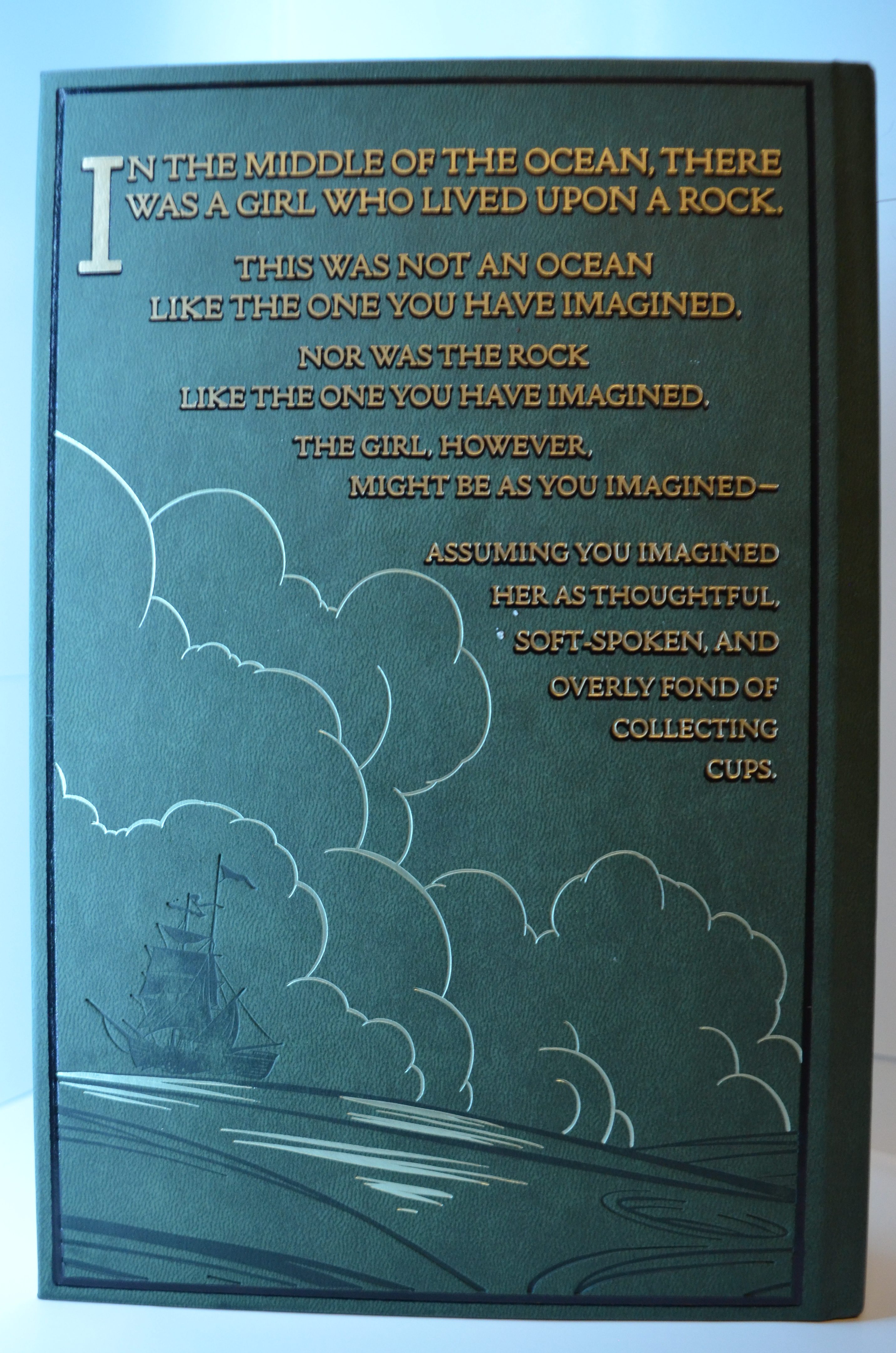
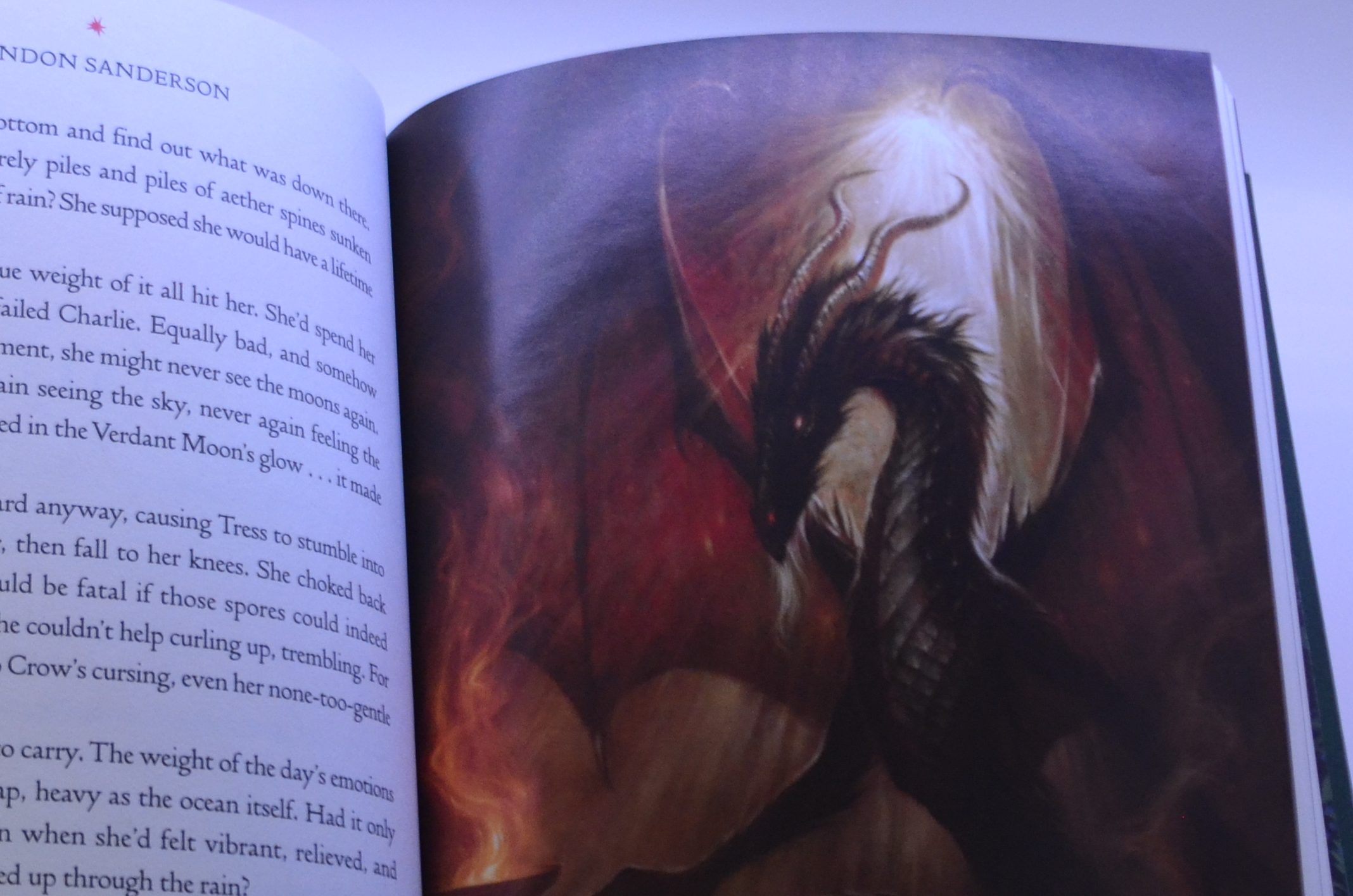
But where Tress works, it really, really works. The main character is a delight to spend time with (just a premium human being). The art is gorgeous. The worldbuilding and magic system (as per Sanderson standard) is well-thought-out, fun to read, and leads to some clever interactions. Everything fits. And because of that, this is by far my favorite of the four secret Sanderson novels, and well worth my time. It has become my go-to book for introducing people to Sanderson’s works.
Rating for Tress of the Emerald Sea: 9/10 potatoes


 Breinthewild
Leave a comment